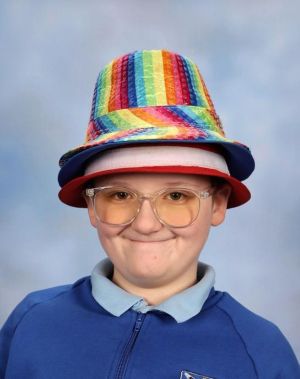
Help more children access the support they need
When Kobi was two, he was not yet speaking and had only recently begun to walk. After recurrent illness in his first year, he was diagnosed with severe autism and Global Developmental Delay. His parents, Megan and Chris, felt overwhelmed.
“I think what we felt was just overwhelmed. It meant nothing to us—we did a lot of Googling.”
— Chris and Megan
Kobi was nearly four when he first said “Mum”. In the months that followed came “Dad” and “Aunty Apple” (April). Before he started school, Northcott joined his support team, providing speech pathology and occupational therapy. He now uses a Liberator type-to-speech device, provided through donor generosity, to help him communicate at school.
“I see him for speech therapy fortnightly and have watched his verbal, written and aided language competencies bloom since I started working with him.”
— Grace, Northcott speech pathologist
Kobi loves school, has earned awards and medals, and enjoys Disney, recipe books and carefully chosen costumes. His support needs remain significant, but the right therapy has helped him communicate, participate and experience the routines and interests that bring him happiness.
“It takes a village, but we wouldn’t be here if it wasn’t for Northcott. Now it’s working and he’s happy.”
— Uncle Jay
Your gift can help Northcott’s Outreach therapists travel to communities where children may otherwise miss out on diagnosis, early intervention and the support they need to thrive.
Across regional and remote Australia, children living with disability can wait far too long to see a specialist therapist. Some approach school age without having been assessed by a disability professional. Without early support, physical, communication and developmental challenges can become harder to address—and children may be too distressed to take part in the very assessment process intended to connect them with help.
For children who have experienced trauma, a stable and consistent therapeutic relationship can be especially important. Building trust comes first. Only then can a therapist begin the patient work of supporting communication, movement, self-care and participation at home and school.
“Children who have experienced trauma develop differently. They are not always able to access the part of their brain that helps them learn and grow. Our stable and constant presence supports their development and is critical in the trauma recovery process.”
— Rachael Hinds, Senior Service Manager
Thank you for your continued support of Northcott and for helping respond to this urgent need
"Therapy must be consistent and timely to make a meaningful difference. But too often, funding falls short of what is needed, leaving families without the level of support their child relies on."
"Your donation today will provide vital funds for essential equipment and ensure children with disability receive support when it matters most"